- Home
- Government
- City Departments
- Electric
- Climate, Energy & Conservation
- Take Climate Action
Take Climate Action
Learn From Kids!
A student learning about environmental awareness shared the following resource with her teacher and fellow students. It provides numerous ways to make a difference and become more informed! The class sent this resource to the city so our residents could benefit from this compilation of ideas. Thank you! Low-cost Ways to Help Save the Planet.
Switch Off Fossil Fuels
Fossil fuels, such as coal, oil, and natural gas, are a primary cause of climate change. These emit carbon dioxide into the atmosphere, creating a heat trapping blanket. By switching to low or no carbon energy sources we can lower our carbon footprint. Every day the options to electrify your transportation and home are increasing in both availability and efficiency!
Conserve Energy & Water
By rethinking how we consume energy we can save money and reduce the strain on our environment. Energy efficiency strategies can be as small as adjusting your thermostat and unplugging devices to large scale home investments including replacing windows and increasing insulation. There are many simple ways to reduce how much water we use. We offer a variety programs to help conserve water ranging from incentives to free home and landscape water analysis.
Make Climate Friendly Choices
Choosing other means of transportation can greatly reduce your carbon footprint. This could be walking or biking or taking the bus instead of driving. It could also mean using an e-bike or an electric vehicle instead of a gasoline vehicle. Other choices may include, turning your thermostat up or down in the summer and winter, starting a compost pile, modifying your diet or removing your lawn.
Be Prepared For & Understand Local Climate Risks
Ashland is anticipated to have more frequent and severe droughts, heat waves, and wildfires. Limiting the amount of flammable vegetation, choosing fire-resistant building materials and construction techniques, along with periodic exterior maintenance in the three home ignition zones increases the chances your home will survive a wildfire when exposed to embers and/or surface fire. During the critical hours following a disaster, you may need to provide your own food, water, first aid essentials, and other supplies in sufficient quantity (for you, your family, and pets).
Electrify your transportation
Go green by electrifying your transportation! The transportation sector contributes 23% of Ashland's greenhouse gas emissions. By choosing electric or no to low-carbon transportation we can help keep our grid clean. The City of Ashland supports the transition to electric and low carbon transportation with the following incentives:
Travel Anxiety?
Fear not - plan ahead! The EPA EV charging station map is very helpful tool. Over the next five years $52 million will be invested in public fast chargers along major roads in Oregon as part of the National Electric Vehicle Infrastructure (NEVI) program.
Walk, bike, or take public transit
We can opt to choose more environmentally friendly modes of transportation such as:
- Walking
- Biking / Electric bike - The City of Ashland currently offers an e-bike incentive
- Public transit - Use RVTD!
- Carpooling - Check out Get There Oregon , an app that shows you available transit options and their carbon emissions.
About e-bikes
Electric assisted bicycles, or e-bikes, pedal and handle just like a regular bicycle and include similar components as a regular bicycle. With the help of an electric motor, an electric assisted bicycle provides additional power to help the rider manage things like hills or carry heavier loads and allows for traveling longer distances more easily. There are many benefits of E-Bikes:
- Cheaper Than A Car: No need to pay for car registration, car insurance, or gasoline. Cost of maintenance and repairs is substantially lower for an e-bike than a car.
- Low Barriers: Reduces physical exertion, making it easier to carry cargo and/or children, ride uphill, and go further faster. Being more affordable than a car means more people have access. No need to meet car insurance requirements.
- Low Emissions: E-Bikes emit approximately 96% less CO2 than gasoline-powered cars for the same distance traveled.
- Health Benefits: Riding an e-bike provides moderate exercise, which in turn improves cardiovascular and heart health, increases muscle tone and metabolism, boosts the immune system, reduces stress, and contributes to quality sleep.
We can all be a part of the solution to climate change by taking action at home. 83% of Ashland's emissions come from the residential sector. We can all choose to make more sustainable and climate-friendly choices at home.
Do a home energy retrofit
Making home energy upgrades can help increase your energy efficiency. Energy improvement projects can help improve home comfort and save money. By increasing energy efficiency, you are also reducing your carbon footprint and reliance on non-renewable sources of energy.
If you are considering a home upgrade, check out the list of incentives the city offers.
Support renewable energy
If you are considering solar, check out our resources and options on the dedicated solar page.
Without installing solar panels, you can still support renewable energy.
- Support local organizations that advocate for clean energy
- Share resources on renewable energy sources
- Support local business that use renewable energy
Switch to electric yard tools
Gas-powered machines emit greenhouse gas emissions and air and noise pollution. Most of your favorite tools have electric or battery-powered alternatives such as:
- Electric leaf blower
- Electric chain saw
- Electric lawn mower
- Electric string trimmer
Certain electric yard tools can also be used during fire season.
Electrify your home with energy incentives.
The City of Ashland offers a wide variety of incentives to allow citizens to make energy efficient and environmentally friendly home improvements.
- Appliances
- Weatherization
- Heating and cooling
Due to more extreme weather events, like drought and heat waves, this water supply is diminishing.
In addition, our city water must be treated, transmitted, and heated before it gets to us. Wastewater must also go through a similar process. This all requires energy, which in turn creates greenhouse gas emissions.
By practicing water conservation, we are reducing our energy usage and being thoughtful of our supply. Calculate your household water footprint to see where you stand and where you can make adjustments.
See our Water Conservation page for programs and information.
We can't control when emergencies happen, but it is important to take the steps now to be prepared!
- Wildfire smoke can cause serious health complications, especially for those with asthma or other respiratory conditions.
- More frequent and severe heat waves can be deadly, especially for young children, the elderly, and exposed persons such as outdoor workers.
- Drought, decreased summer stream flow and reduced snowpack will put a strain on our water supply affecting our water availability.
Commercial and Workplace Charging Incentive
Business locations are a key area to support vehicle electrification. Workplaces may benefit by saving money through electrifying fleet vehicles, offering an additional benefit for employees, or as an amenity for customers. The City of Ashland will reimburse a fixed amount per charger installed. Incentives are available for new, Level 2 electric vehicle chargers.
Solar
Solar electric installations that pass their electric inspections can receive incentive payments of $600 from the City of Ashland.
In addition, your system will benefit from Net Metering, which means you can accumulate unused electricity from the sunnier months to apply towards your electric usage in the winter months. Any remaining energy credits after your March 31 billing cycle will then be credited towards your account based on the municipal utility's wholesale rates on the next bill.
Commercial Incentives
The City of Ashland offers a number of programs for commercial electric clients.
Rethink Consumption
Approximately 83% of Ashland's greenhouse gas emissions come from the residential sector. This includes everything we consume, from food, goods, energy, and services. By becoming more aware of the impact our residential consumption habits have on the environment, we can make more responsible and sustainable choices.
- Consider the life cycle of your goods and services:
- What resources and materials are used to make it?
- Where did the product come from and how did it get to you?
- How do you use the product?
- What happens at the product end-of-life?
Calculate your carbon footprint to better understand where your individual emissions come from and identify ways you can reduce it.
Don't Waste Food 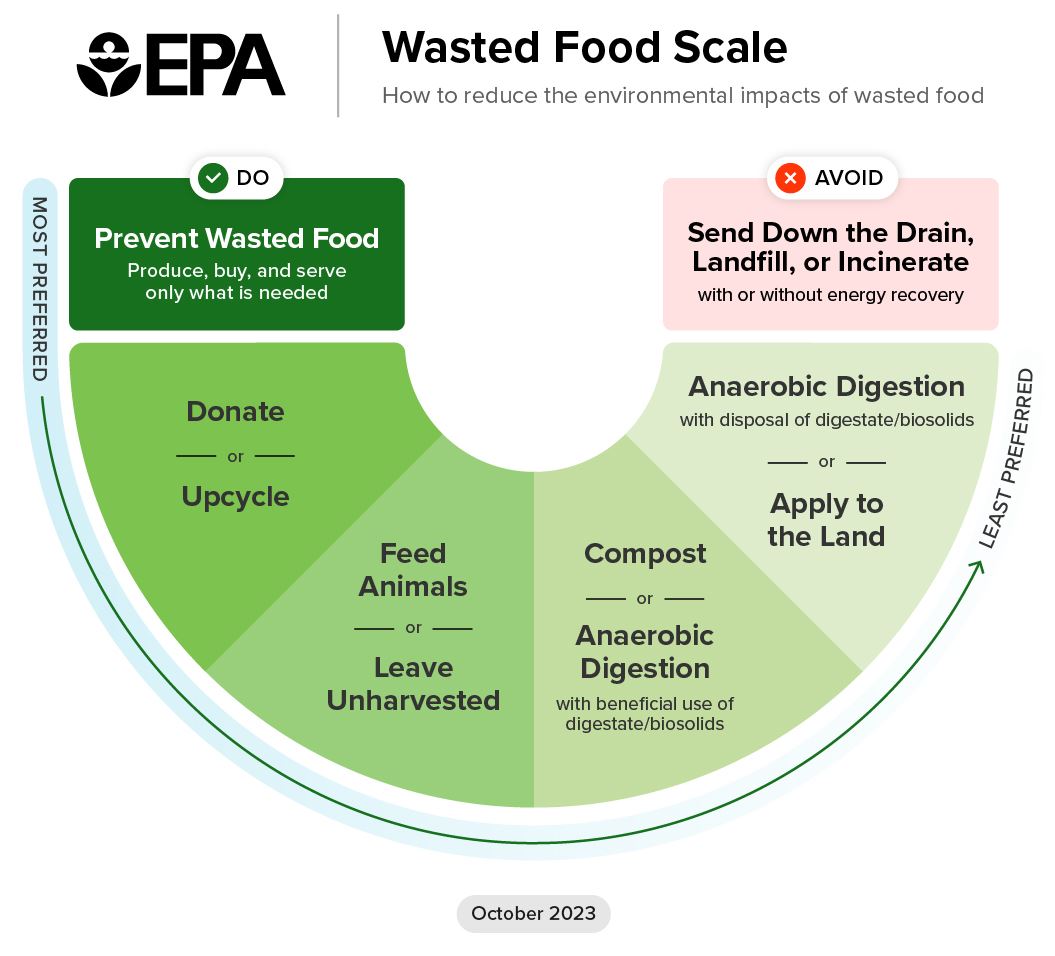
Between 30-40% of food in our food system is wasted. As consumers, we contribute to that loss by cooking or buying more than we need and throwing away unwanted or spoiled food. We are also wasting all the resources that went into producing, processing, and transporting the item.
- Learn how to store produce properly
- Plan out meals and only buy what you need
- Start a home compost
Learn more about preventing food waste!
Consider a low carbon diet
The food we eat contributes to our carbon footprint. It's important to eat what is right for you but be aware that some diets create more emissions than others.
- Meat and dairy industry contribute to larger share of greenhouse gas emissions
- Consider the seasonality of the produce you consume
- Consider the packaging and source of your product
Compost!
If you have food that is no longer good to eat, put it to the next best use!